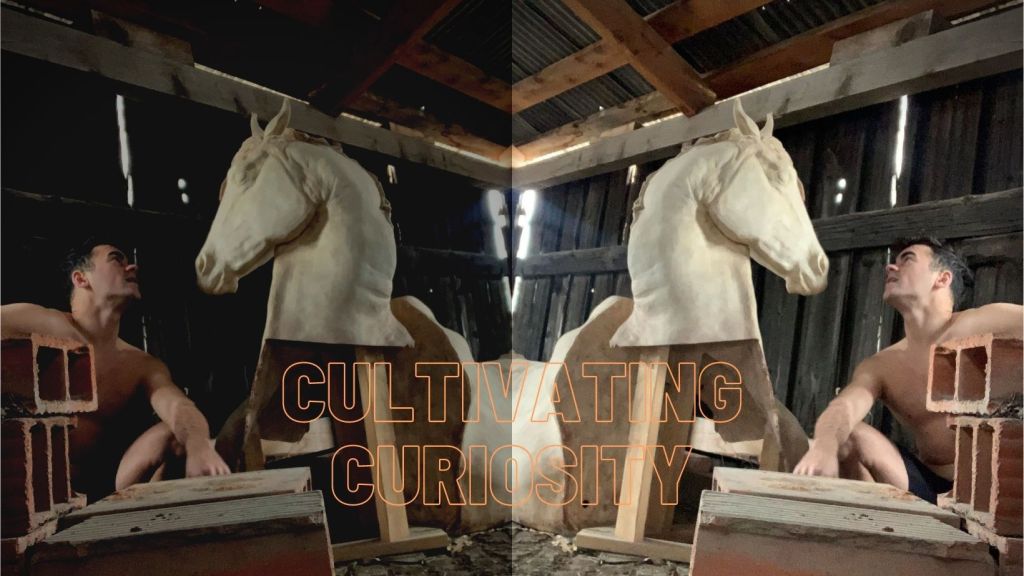
Living with two teachers, one in music and one in literature, I had the opportunity to explore the philosophy of teaching with my literature teacher during a trip to Seattle. We both studied under the great teacher, Dr. Bill Proser, who taught us to question more, instead of simply providing answers. We were encouraged to question religious beliefs, the existence of God, ethics, and the meaning of life, among other things. This education cultivated curiosity and gave us the language to ask the right questions. The wealth of curiosity is priceless, and cultivating it is of utmost importance.
I often become restless to discover new places, to gain a fresh perspective and to escape my conditioned ideas of what I should do, be, and act like. Being in a new place allows me to see my own conditioning from a bird’s-eye view, as I venture into uncharted territory, beyond my familiar context and into necessary openness. However, I have noticed that my curiosity can be dampened by relative familiarity, especially when I live in a bubble of sameness in my ideas, worldview, or anything else. This relative familiarity keeps me from questioning because I do not have a reason to question what I already know. This is a great disservice to myself, others, and my personal growth.
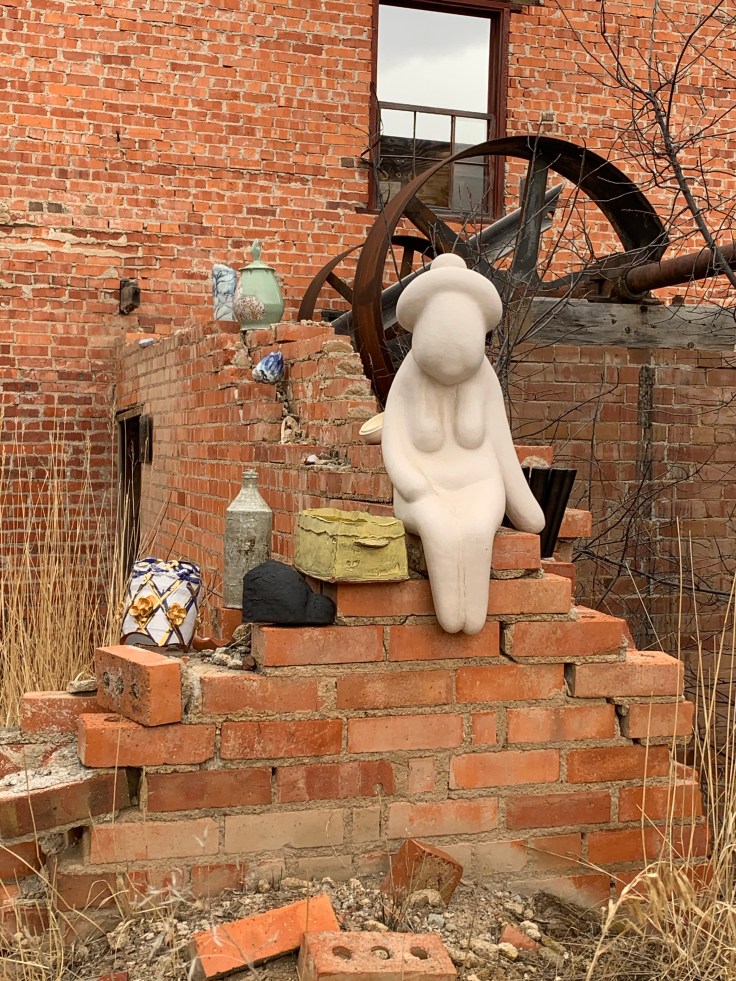
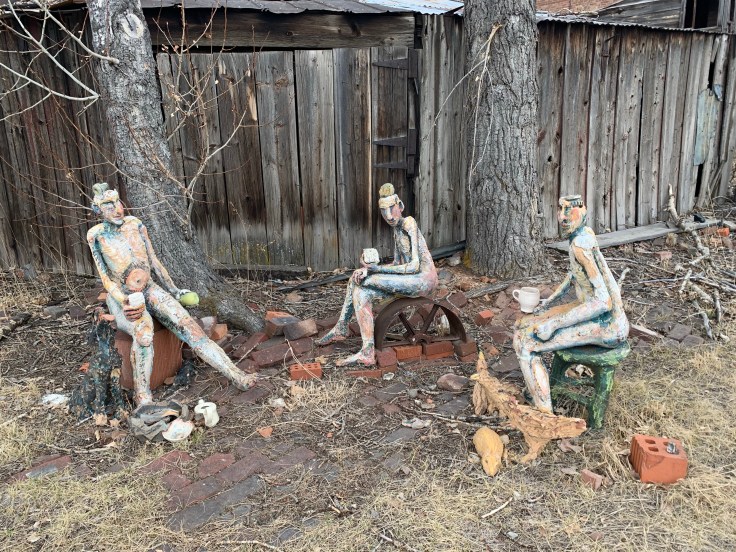
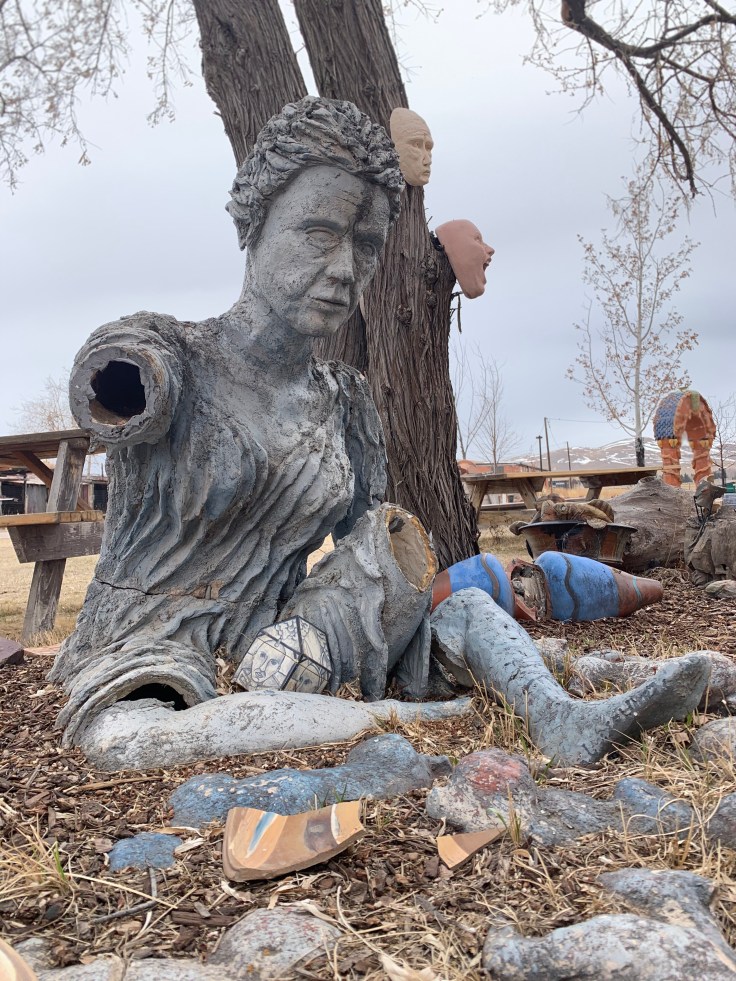
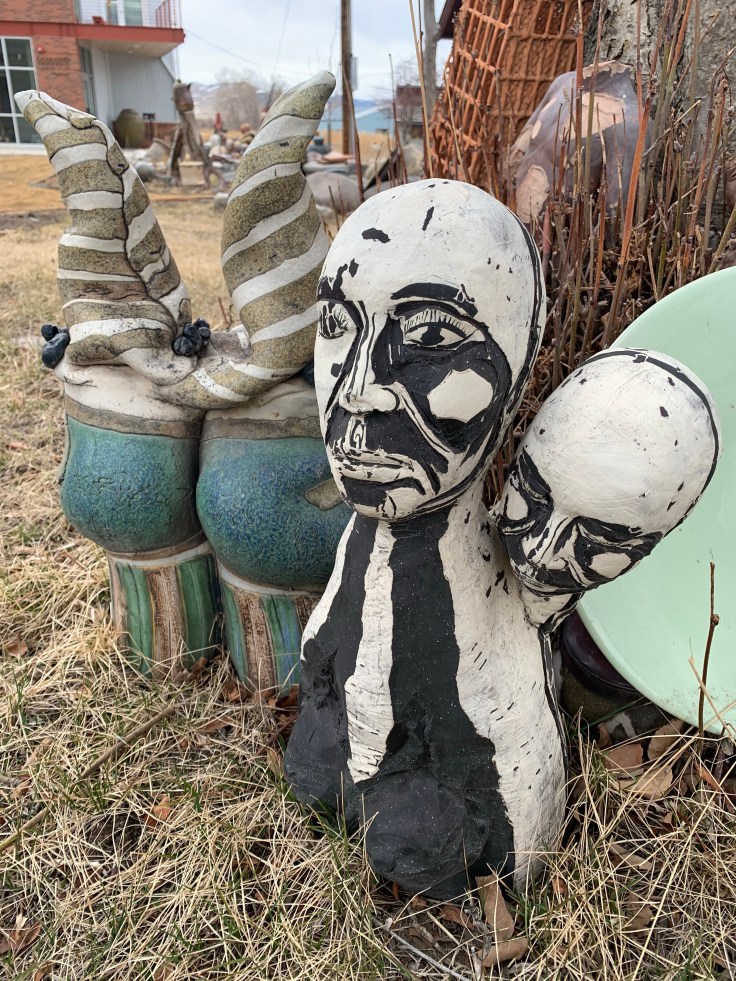
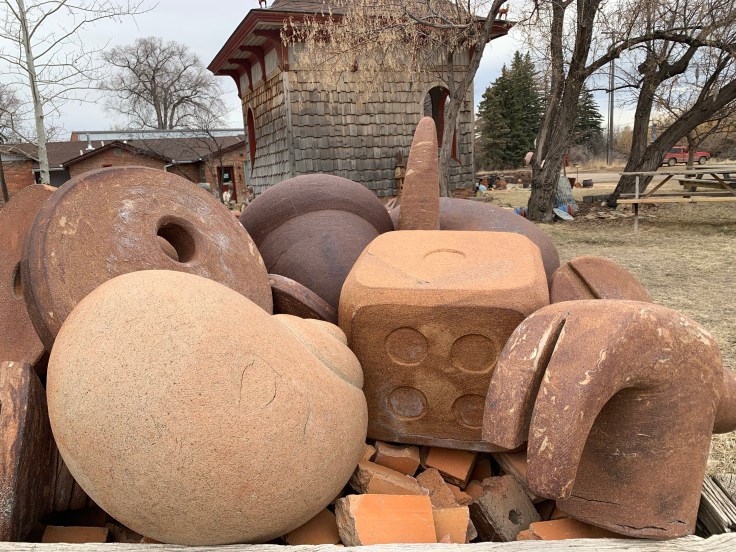
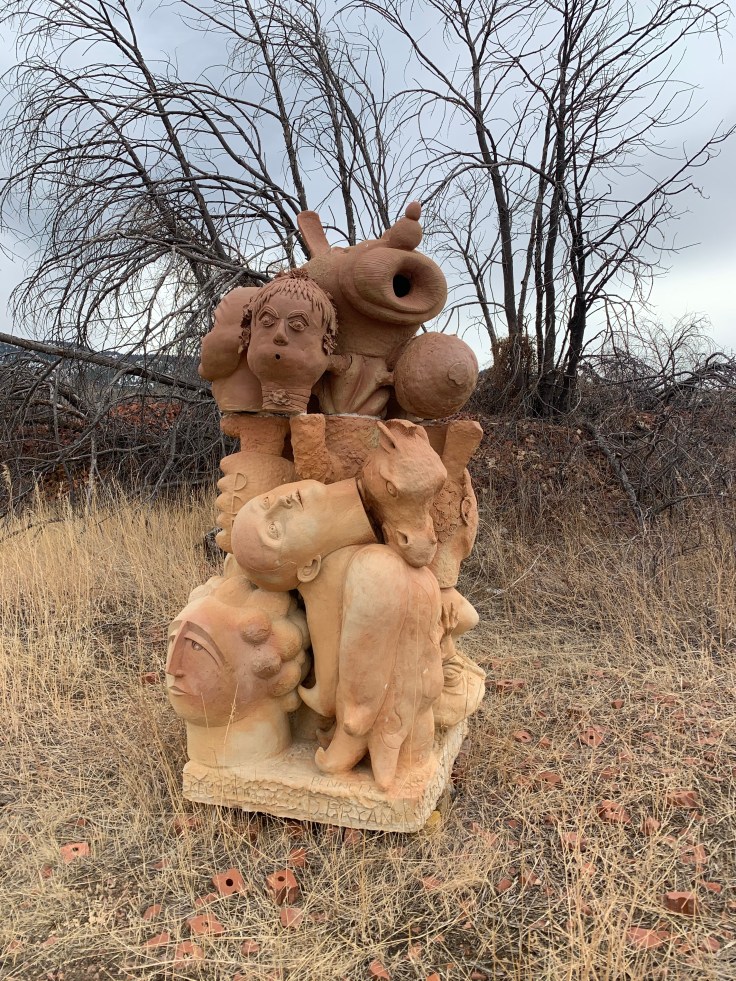
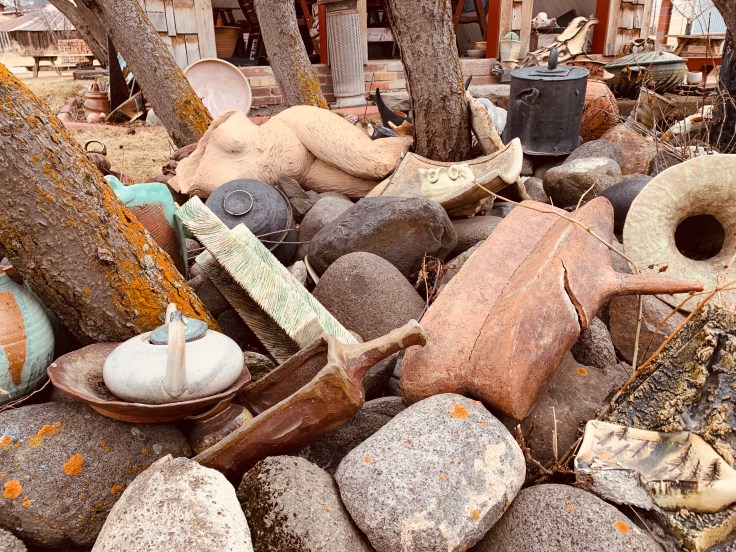
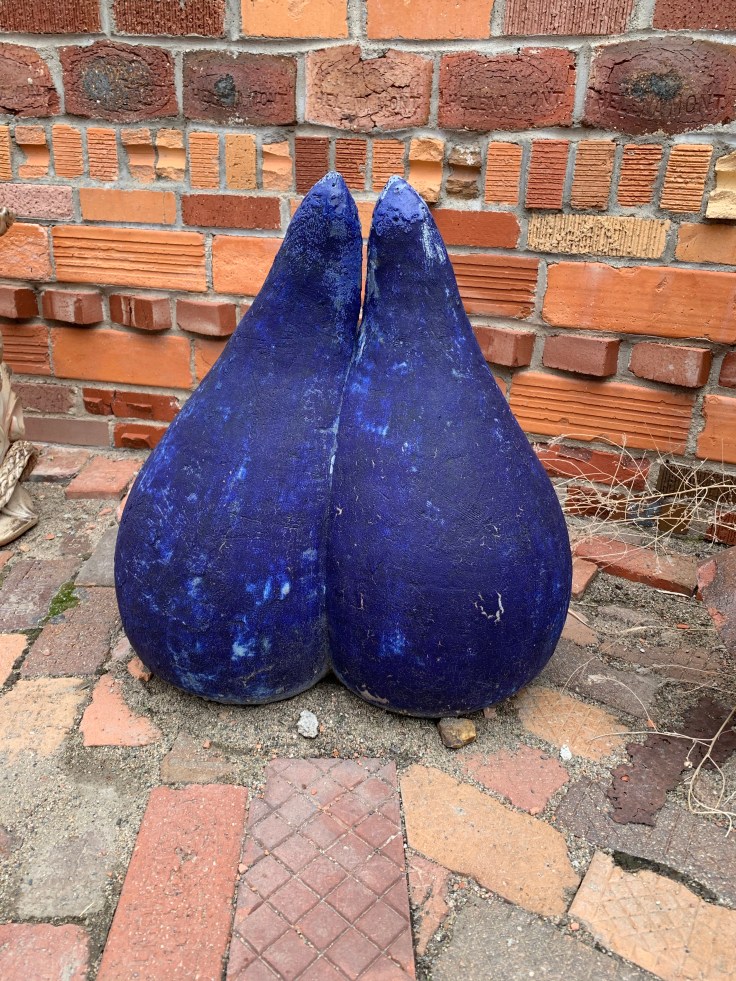
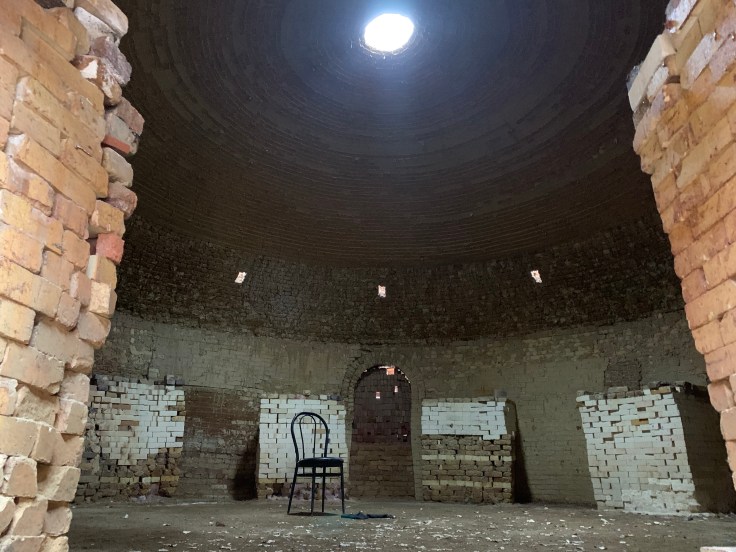
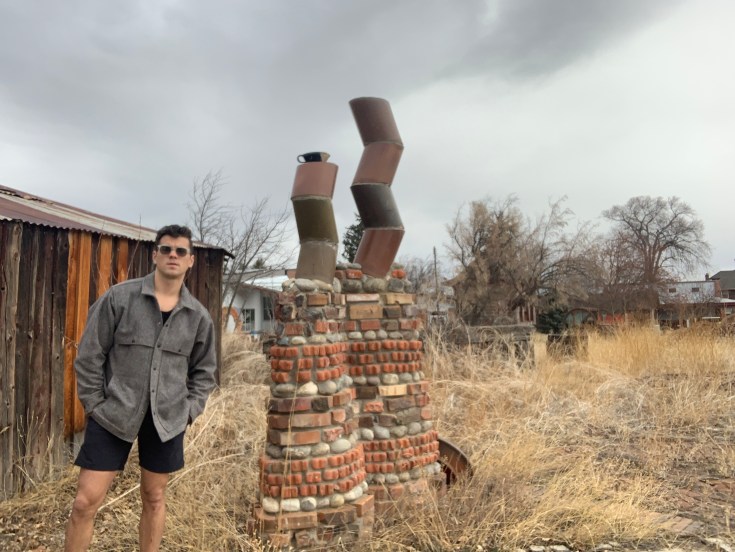
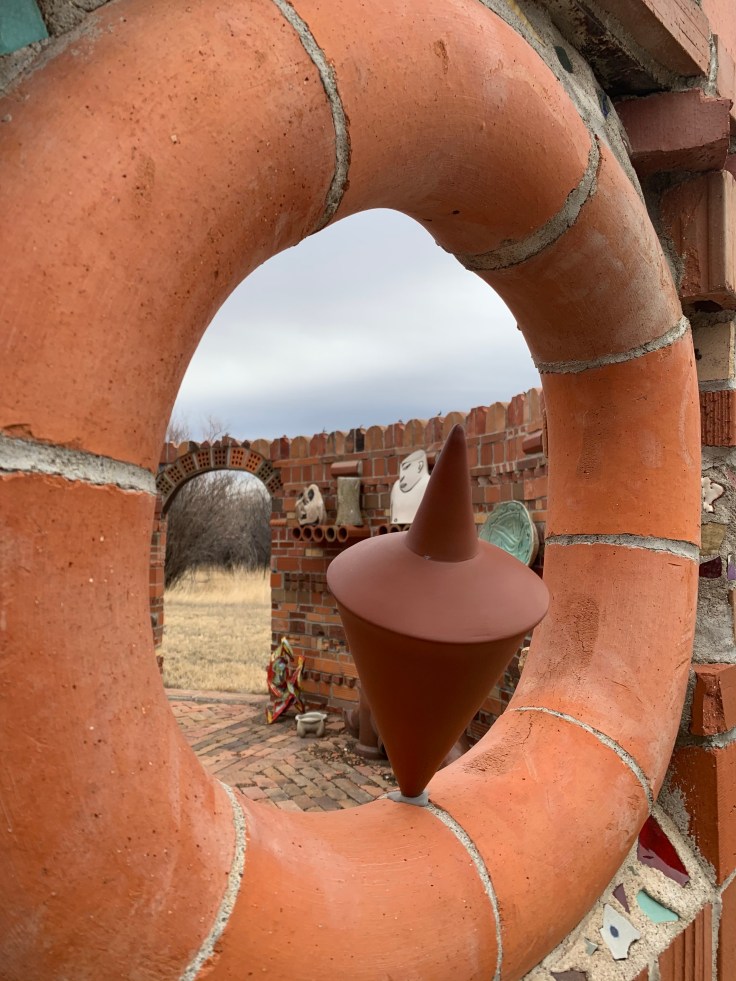
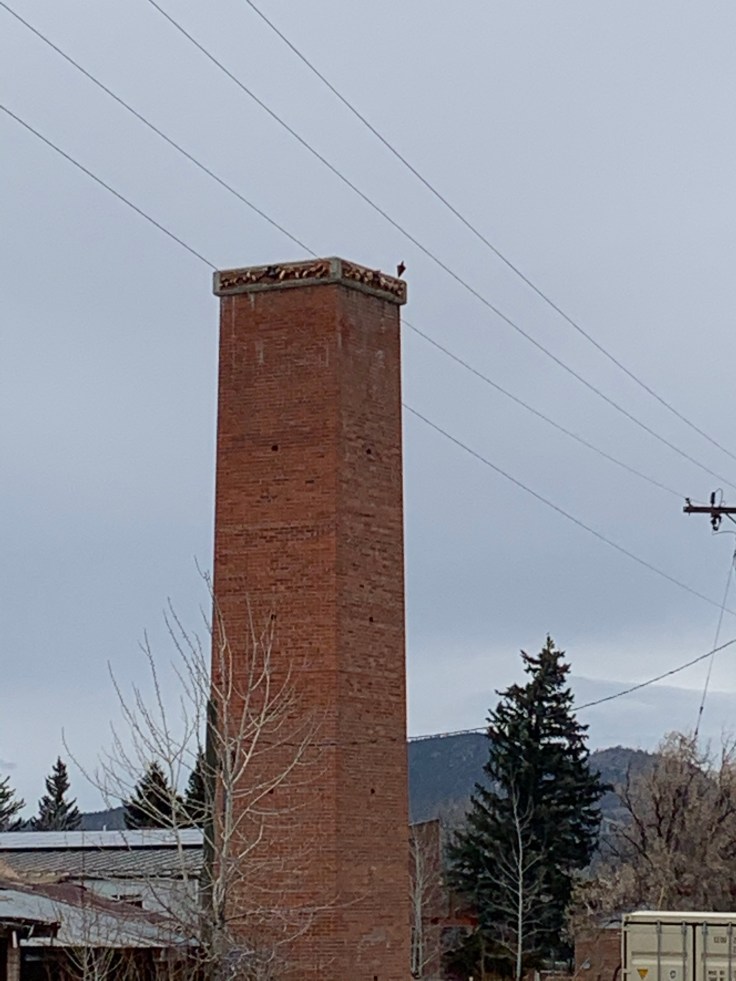
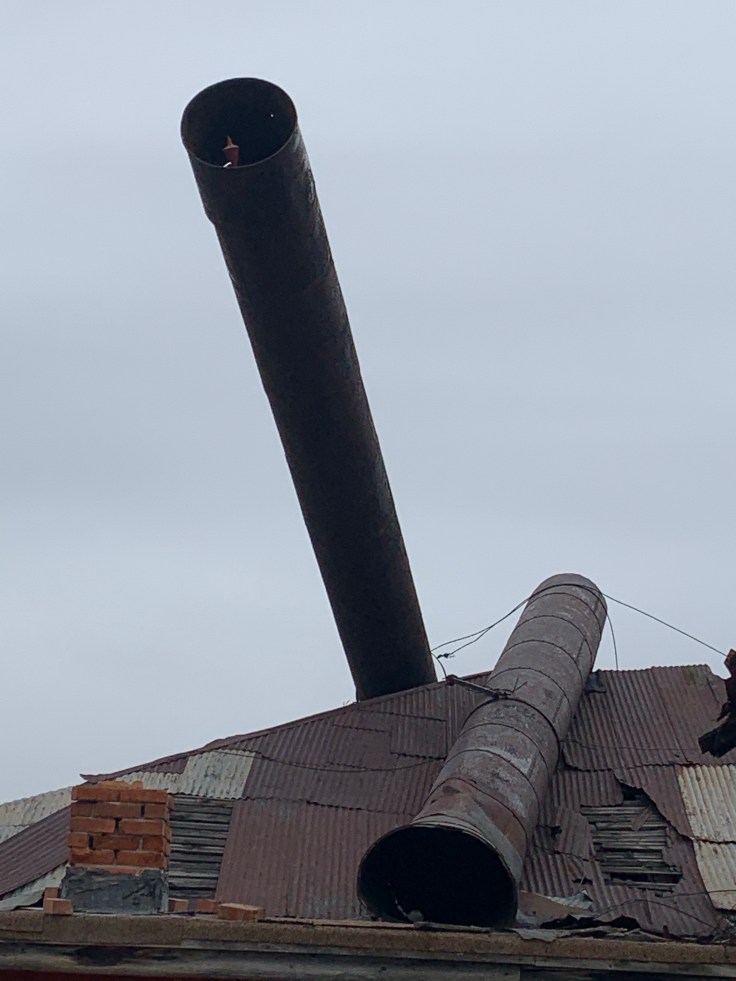
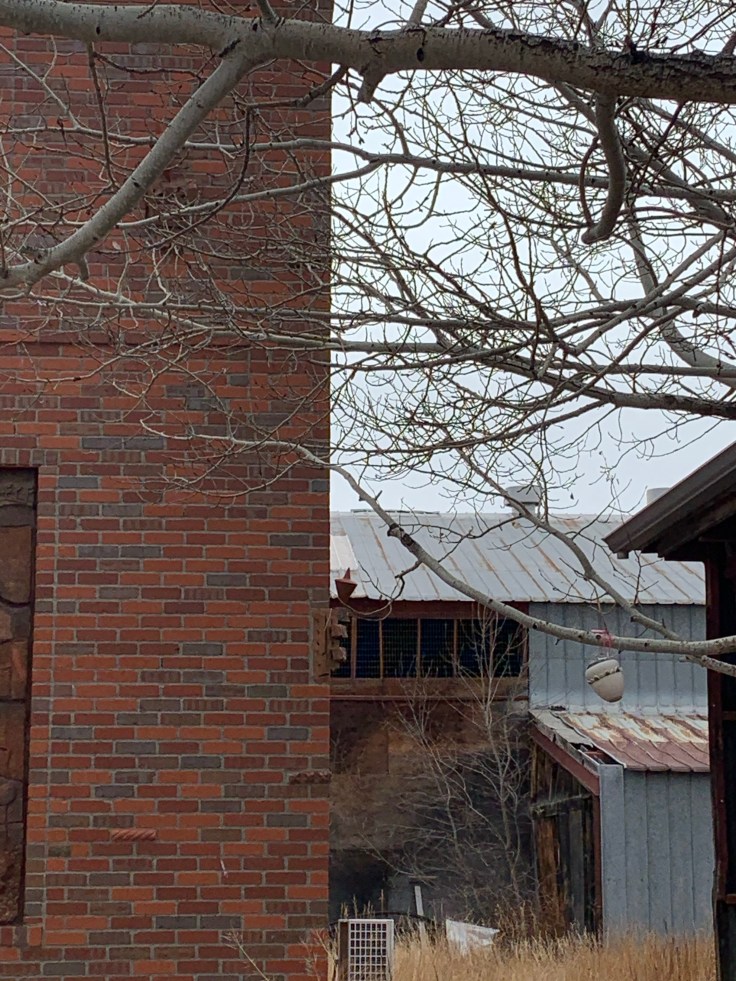
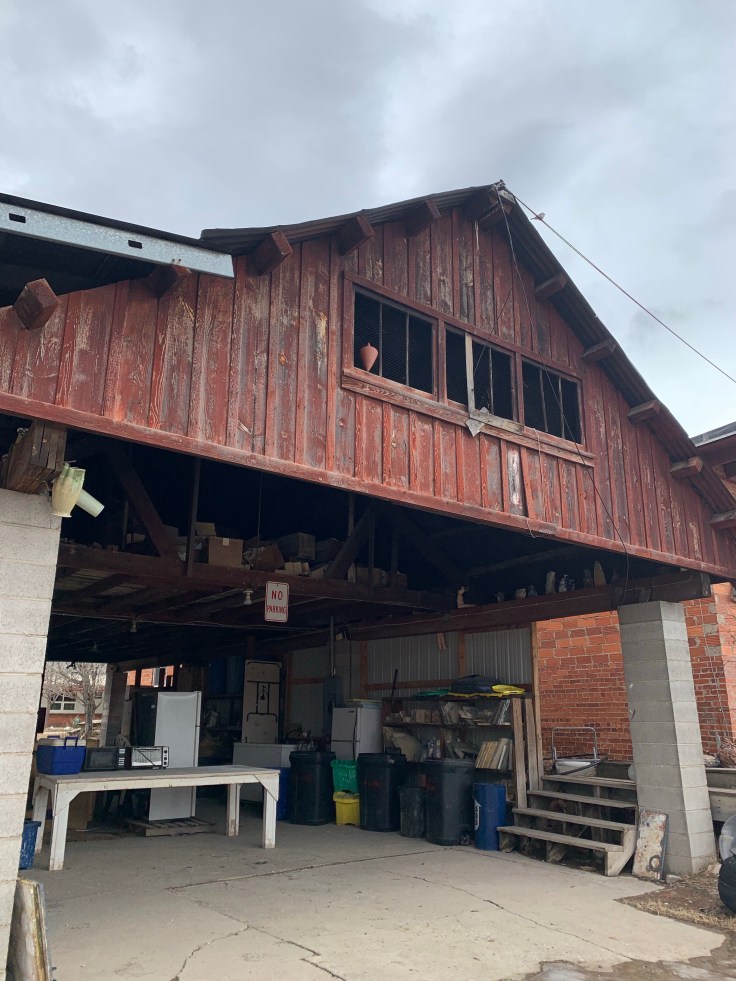
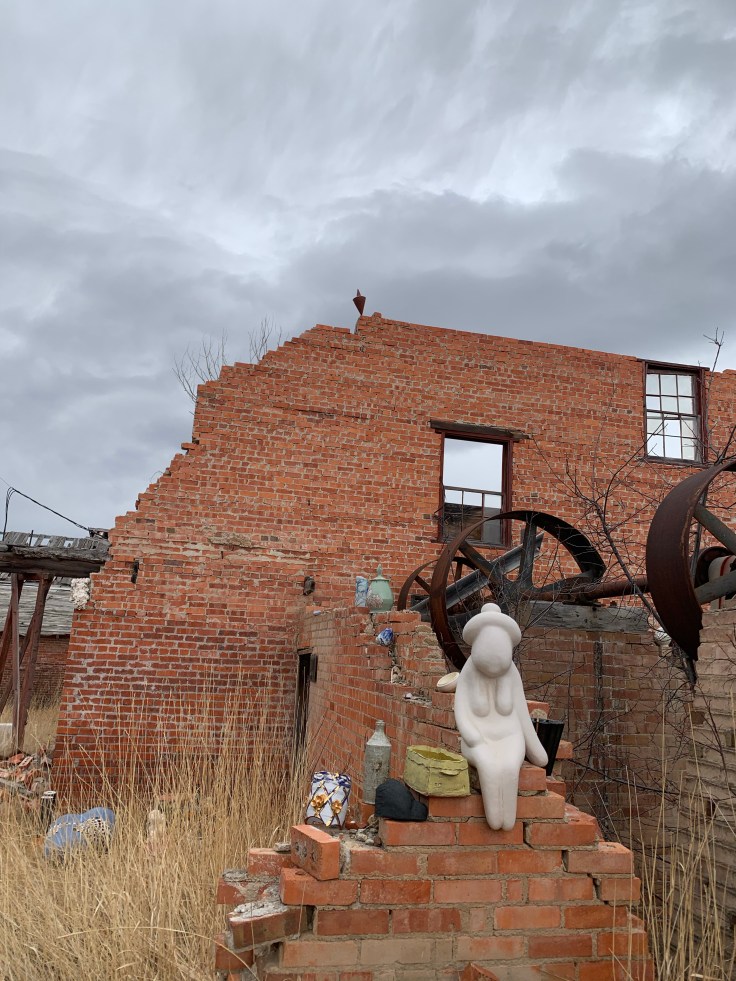
During a recent exploration of Helena, Butte, and Salt Lake City, I discovered the role of art in cultivating curiosity at the Archie Bray Foundation for the Ceramic Arts. Although the offices, studios, and gallery were closed due to COVID, the property was scattered with pieces by past residents, exploring intriguing concepts through clay. The artists had left their mark on the institution, and the overwhelming message I was left with was “The Freedom of Choice.” This was a place designed to let artists explore their process, ideas, and craft without distraction or burdens of things around them. It was a place to let their curiosity run unbarred. Creating space for curiosity is true wealth. It is a place where limits are dismantled, and new depths, associations, or concepts are explored and nurtured.
Another space that offered the opportunity for artists to cultivate their curiosity was “Montana’s Artist Refuge” in Basin, Montana. This small high mountain town housed artists from all over the world, providing a space for the artist to tune out the rest of the world and cultivate their own curiosity internally in whatever their artistic medium.
As I reflected on my experiences, I realized that the simple answer to creating more curiosity in my own life is to go to new places and question often. As I age, I have the propensity to put things into boxes that I know, resulting in questioning less and judging more. However, this presents an opportunity for a game. With our formed associations and references, we have the maturity of language to enter the Theater of Relationship, where we use our knowledge to find something new, outside of our boxes. We fine-tune, explore, and find nuance to our references and associations. In this theater, curiosity is explored, glorified, and gives life to the self, the other, and the audience.
Let’s cultivate curiosity in our passions, arts, education, relationships, and places. Take the stage, join the game, and question more.
And as you explore the Archie Bray Foundation grounds, see if you can spot the curious clay tops scattered throughout.
 Duncan Clark Menzies
Leave a comment